
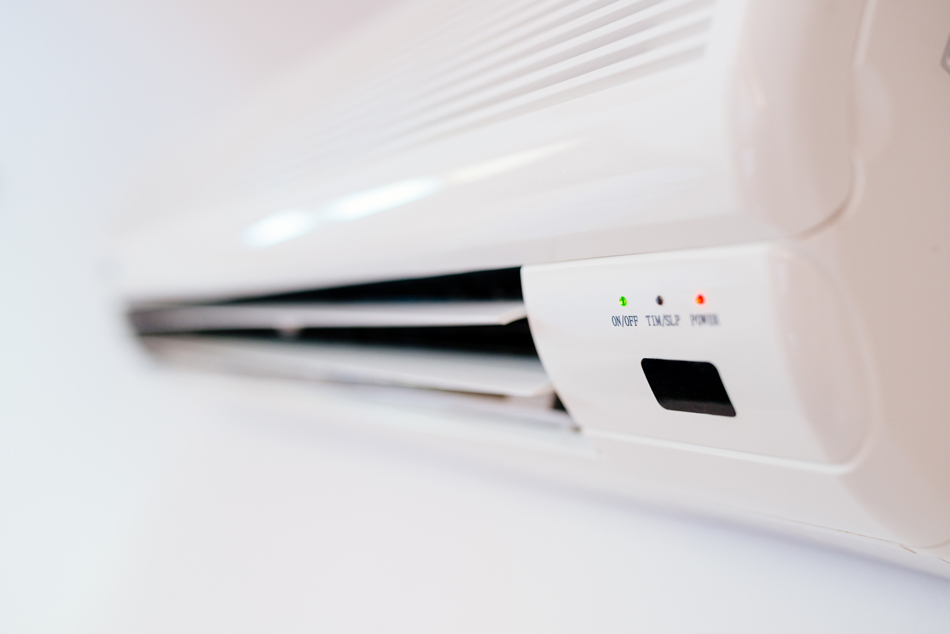
Ductless mini-split systems have become a go-to solution for climate control in Northern Virginia, especially for sunrooms, home additions, and finished basements. They offer incredible efficiency without the need for bulky ductwork. However, unlike a standard window AC unit that you can just plug into any wall outlet, a mini-split is a sophisticated piece of HVAC equipment with specific electrical demands.
At McLean Electric Co, we’ve been handling mini-split and appliance outlet installations since 1994, ensuring your new system has the reliable power it needs to keep you comfortable year-round.
1. A Dedicated Circuit is Essential
The National Electrical Code (NEC) requires major appliances—including ductless mini-splits—to have their own dedicated circuit. This means the power line runs directly from your electrical panel to the unit without sharing power with lights or other appliances.
Sharing a circuit is a recipe for disaster; a high-demand compressor kicking on could easily trip a shared breaker or cause a voltage sag that damages the unit’s sensitive interior wiring and control boards.
2. Matching Voltage to Your System
Mini-split voltage requirements typically depend on the unit’s cooling capacity (BTUs):
- 110–120 Volts: Often used for smaller single-zone units (9,000 to 12,000 BTUs). These require a single-pole breaker.
- 208–240 Volts: Required for larger units (18,000 BTUs and up) or multi-zone systems. These require a double-pole breaker and significantly more power capacity.
Our team will verify your system’s Minimum Circuit Ampacity (MCA) to ensure your home’s wiring and cabling are sized correctly for the load.
3. The Outdoor Disconnect Switch
Safety is paramount. Virginia code (following NEC 440.14) requires a weatherproof disconnect box to be installed within sight of the outdoor condenser unit. This allows a technician to safely shut off power locally when performing maintenance or electrical repairs without having to run back to the main panel.
4. Communication and Power Wiring
A ductless mini-split requires a specific type of connection between the indoor and outdoor units. Most manufacturers require a 14/4 stranded cable, which is a single line containing four color-coded wires. This specialized cable does double duty: it carries the high-voltage power to the indoor unit while simultaneously transmitting the low-voltage signals that control the system’s speed and temperature. For the best performance, these wires must be one continuous run with no splices or joints. Any break in the wire can cause ‘electrical noise’ that triggers communication errors, such as the common E6 error code, and can lead to system shutdowns.
5. Protecting Your Investment
Modern mini-splits are packed with inverter technology and sensitive electronics. Because Northern Virginia is prone to summer storms, we highly recommend a dedicated HVAC surge protector. This is a simple electrical upgrade that shields your $3,000+ investment from the “mini-surges” and lightning-related spikes common in our area.
Trust the Local Experts
Installing the electrical for a mini-split involves more than just pulling wire; it requires understanding load calculations and local safety standards. Whether you’re adding a unit to a garage or a primary bedroom, McLean Electric Co provides the precision and integrity you deserve.
Planning a ductless AC project? Contact McLean Electric Co today to handle your mini-split electrical hookup!
 Skip to content