
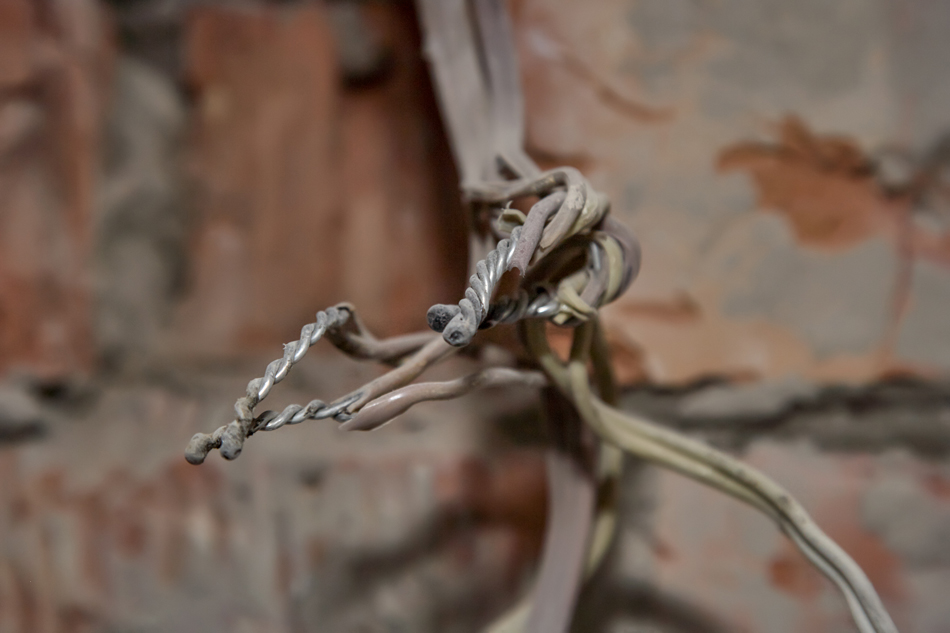
If your Northern Virginia home was built between 1965 and 1973, there is a strong possibility it contains solid-conductor aluminum wiring. During this era, a spike in copper prices led many builders in areas like Woodbridge, Fairfax, and Alexandria to use aluminum as a more affordable alternative.
While aluminum itself is an effective conductor, we now know that its use in residential branch circuits (the wiring for your outlets and switches) poses a significant fire hazard. According to the Consumer Product Safety Commission (CPSC), homes with aluminum wiring are 55 times more likely to have one or more connections reach "Fire Hazard Conditions" than homes wired with copper.
Why is Aluminum Wiring Dangerous?
The problem isn't the wire itself, but how it behaves at connection points. Aluminum has physical properties that make it unstable for standard home interior wiring:
- Thermal Expansion (The "Creep" Effect): Aluminum expands and contracts much more than copper when electricity flows through it. This constant movement causes the wire to slowly "creep" out from under terminal screws. Over time, the connection becomes loose, leading to arcing and extreme heat.
- Oxidation: When aluminum is exposed to air, it develops a layer of aluminum oxide. Unlike copper oxide, aluminum oxide is a poor conductor. This creates resistance, which generates heat—often enough to melt switch and panel components.
- Malleability: Aluminum is softer than copper and easily nicked or crushed during installation. These damaged spots become "hot spots" where the wire can fail under load.
Warning Signs of Aluminum Wiring Failure
The scariest part of aluminum wiring is that it often fails silently inside your walls. However, there are a few red flags that require an immediate call for electrical repairs:
- Flickering lights that aren't caused by a loose bulb.
- Cover plates on outlets or switches that feel warm to the touch.
- A faint smell of burning plastic near your electrical panel or outlets.
- Sparks or "popping" sounds when plugging in appliances.
Your Solutions: Remediation vs. Replacement
If you have aluminum wiring, you have two primary options to ensure your home’s safety:
- The Gold Standard: Whole-Home Rewiring The most permanent and safest solution is a full rewiring of your home with copper. This completely eliminates the fire risk and brings your home up to the 2023 National Electrical Code (NEC). It also provides the perfect opportunity to add modern electrical upgrades like recessed lighting or EV charger hookups.
- The Intermediate Solution: COPALUM or AlumiConn If a full rewire isn't in the budget, we can "remediate" the connections. This involves using specialized connectors to join a short piece of copper wire to the aluminum wire (often called "pigtailing"). Note: Standard wire nuts are not safe for this; we use only CPSC-approved methods to ensure a permanent, airtight seal.
Protect Your Family and Your Investment
Since 1994, McLean Electric Co has helped countless homeowners identify and resolve the dangers of outdated wiring. Don't wait for a spark to find out what's behind your walls.
Contact McLean Electric Co today!
 Skip to content